Source personalized thank you labels for shipping, packaging, and food
Find 30 options for personalized thank you labels suitable for shipping, packaging, and food applications. Compare features like waterproofing, holographic effects, and custom sizes from suppliers in China to find the right adhesive sticker solution.
Key considerations
Products List




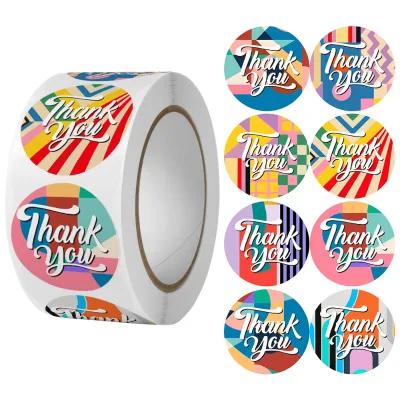
Comprehensive Sourcing Guide
Personalized Thank You Labels Sourcing Guide
The market for personalized thank you labels is defined by a high degree of customization, where buyers seek specific dimensions, adhesive properties, and printing finishes to match their brand identity. Based on observed listings, these products are primarily constructed from paper materials and are available in a wide array of sizes, ranging from standard dimensions to fully custom specifications. The core utility of these items extends beyond simple gratitude notes; they serve as functional shipping labels, packaging films, and even specialized tags for bottled beverages and food products. This versatility requires buyers to carefully align their specific application needs with the technical capabilities of the supplier, ensuring the label performs correctly in its intended environment.
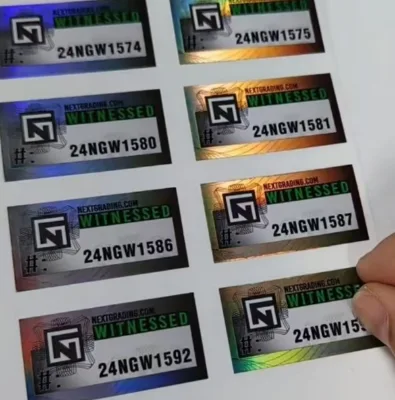
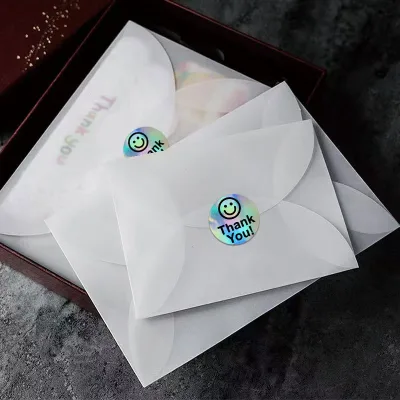
Procurement decisions for these labels hinge on understanding the diverse feature sets available in the current supply chain. Suppliers frequently offer attributes such as waterproofing, anti-counterfeit capabilities, and heat sensitivity, which are critical for industries requiring durability or security. The printing technologies vary significantly, with options including flexographic, offset, and letterpress methods, each offering distinct advantages in color fidelity and production speed. Buyers must evaluate whether their design requires holographic elements or standard CMYK printing, as these choices directly impact the visual appeal and the cost structure of the final order.
Product Scope and Observed Listing Signals
The product scope for personalized thank you labels encompasses a broad spectrum of usage scenarios, from general packaging to specialized applications like lithium battery labeling and medicine tagging. Observed listings indicate that these items are often categorized as adhesive stickers designed for use with paper printers and label printers, suggesting compatibility with both industrial and small-scale office equipment. The material composition is consistently identified as paper, yet the surface treatments vary to meet specific environmental demands, such as resistance to moisture or the ability to withstand heat during processing. This diversity means that a single supplier may offer multiple product lines, requiring buyers to distinguish between general-purpose labels and those engineered for specific industrial or food-grade applications.
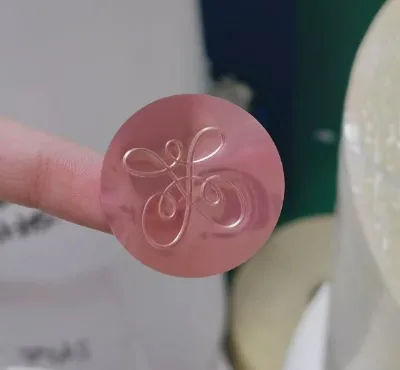
Listing signals reveal that customization is a central pillar of this market, with many suppliers explicitly stating that size, shape, and design are fully adaptable to buyer requirements. The "Thank You" designation often appears alongside models labeled as "Customized" or "SL," indicating that the product is not a one-size-fits-all commodity but a tailored solution. Buyers should note that while the base material is paper, the functional attributes like waterproofing and anti-counterfeit features are not universal across all listings but are specific to certain product configurations. Understanding these signals helps in filtering suppliers who can deliver the exact combination of aesthetic and functional properties required for a specific campaign or product line.
Technical Specifications to Verify
When evaluating technical specifications, the first critical area is the adhesive system, which determines the label's performance on various surfaces. Available data points to the use of hot melt or acrylic adhesives, which offer different bonding strengths and temperature tolerances. Buyers must verify which adhesive type is suitable for their specific substrate, whether it is cardboard, plastic, glass, or metal, as the wrong choice can lead to label failure during shipping or storage. Additionally, the thickness of the material, observed in some listings as 70 micrometers, is a key factor in durability and print quality, influencing how the label handles stress and abrasion in transit.
Printing technology and finish specifications are equally vital for ensuring the visual integrity of the personalized message. The market offers flexographic, offset, and letterpress printing options, each with distinct capabilities regarding color accuracy and production volume. Buyers should confirm the color mode, typically CMYK, and inquire about special finishes like holographic effects or heat-sensitive layers if these are part of the design brief. Furthermore, the physical dimensions are rarely fixed; while some standard sizes exist, the prevailing trend is toward fully customizable sizes, requiring precise communication of dimensions to avoid production errors. The backing material, often described as glassine in yellow, blue, or white, also plays a role in the dispensing process and should be selected based on the user's labeling equipment.
Compliance and Safety Documentation
Compliance and safety documentation for personalized thank you labels often revolve around the intended application, particularly when the labels are used for food, medicine, or beverages. While the supplied facts do not list specific certification numbers, the mention of "Food" and "Medicine" in usage categories implies that buyers must request evidence of compliance with relevant food safety standards and chemical regulations. Suppliers should be able to provide documentation confirming that the inks, adhesives, and paper substrates are safe for indirect or direct contact with consumable goods, depending on the specific regulatory environment of the target market.
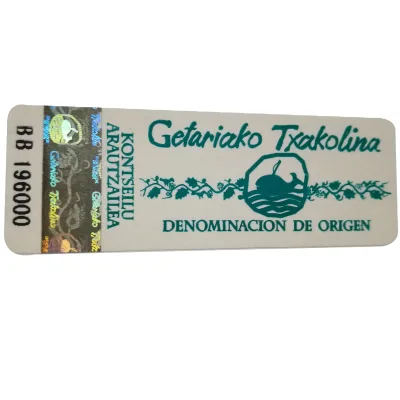
For applications involving security or anti-counterfeiting, the documentation must validate the effectiveness of the specialized features claimed. If a supplier offers anti-counterfeit or holographic labels, buyers should verify the technical specifications that enable these features, such as the specific optical properties or chemical markers used. Although specific standards are not enumerated in the general listings, the presence of these features suggests a need for quality assurance protocols that ensure the security elements function as intended. Buyers should also check for any environmental compliance regarding the paper and adhesive materials, especially if the end product is marketed as eco-friendly or sustainable.
Cost Drivers and Commercial Terms
Cost drivers for personalized thank you labels are heavily influenced by the level of customization and the complexity of the printing process. The observed minimum order quantities (MOQ) range widely, from as low as 1 unit to 10,000 units, indicating that pricing structures vary significantly based on order volume. Smaller orders may incur higher per-unit costs due to setup fees for custom dies or printing plates, whereas larger runs benefit from economies of scale. The choice of printing technology, such as offset versus flexographic, also impacts the final price, with offset generally being more cost-effective for high-volume, high-quality color runs, while flexography may be preferred for longer runs on specific substrates.
Commercial terms regarding delivery and packaging are critical factors in the total cost of ownership. Lead times observed in the market range from 5 to 10 working days, which can affect inventory planning and rush order capabilities. Packaging options vary from cardboard boxes to rolls or fanfold formats, with some suppliers offering standard export packaging to ensure safe transit. Buyers should clarify whether sample costs are waived, as some listings indicate free samples, which can be a valuable tool for quality verification before committing to a large order. Additionally, the origin of the product, primarily from regions like Guangdong and Foshan in China, may influence shipping costs and import duties, which should be factored into the overall budget.
Supplier Qualification and Quality Control
Supplier qualification for this category requires a thorough assessment of their production capabilities and quality control systems. Given the high degree of customization, suppliers must demonstrate flexibility in their manufacturing processes, including the ability to handle custom sizes, shapes, and printing requirements without compromising consistency. Buyers should verify the supplier's experience with specific applications, such as lithium battery labeling or food packaging, to ensure they understand the unique challenges associated with those sectors. The presence of a brand name, such as Yiersan, in some listings suggests that established manufacturers exist, but buyers should still conduct due diligence on their track record for delivering on time and meeting quality standards.
Quality control measures should be explicitly defined in the procurement agreement, focusing on critical attributes like adhesive strength, print clarity, and dimensional accuracy. Since the product is often used for shipping and packaging, the durability of the label under various conditions is paramount. Buyers should request samples to test the label's performance in real-world scenarios, checking for issues like peeling, smudging, or misalignment. Furthermore, the supplier's ability to provide consistent quality across large batches is essential, especially when dealing with high MOQs. Establishing clear acceptance criteria and inspection protocols before production begins can mitigate the risk of receiving substandard goods.
Long-Term Procurement Checks
Long-term procurement success depends on establishing a reliable supply chain that can adapt to changing business needs and market demands. Buyers should regularly review supplier performance against key metrics such as lead time consistency, defect rates, and responsiveness to design changes. The ability of a supplier to scale production up or down based on fluctuating order volumes is a crucial indicator of their reliability. Additionally, maintaining open communication regarding new technologies or material innovations can help buyers stay competitive and ensure their labels remain effective and visually appealing over time.
Sustainability and regulatory changes are also critical areas for long-term monitoring. As environmental regulations evolve, buyers must ensure that their suppliers can adapt their materials and processes to meet new standards, particularly regarding paper sourcing and adhesive composition. Regular audits of the supplier's facilities and quality control processes can help identify potential risks before they impact production. By fostering a collaborative relationship with suppliers, buyers can work together to optimize costs, improve quality, and ensure a steady supply of personalized thank you labels that meet both current and future business requirements.
FAQs
Can I get free samples for personalized thank you labels?
Free samples are available for this product line. Buyers can request them to verify quality before placing a bulk order, ensuring the customization meets specific needs.
What customization options exist for personalized thank you labels?
Customization is available for size, printing type, and design. Buyers can choose from flexographic or offset printing with any size required, allowing full control over the final appearance.
How long is the delivery time for these labels?
Delivery typically takes 5 to 10 working days depending on the order specifics. Some listings indicate a 7-10 day window, while others suggest a faster 5-7 day turnaround for standard requests.
What materials are used for personalized thank you labels?
The primary material used is paper, often with glassine liners in yellow, blue, or white. This ensures the labels are suitable for various applications including food packaging and shipping.
Which features make these labels suitable for food use?
These labels feature waterproof and heat-sensitive properties, making them durable for food applications. Additional features like anti-counterfeit and barcode capabilities add security and functionality for logistics.
What is the minimum order quantity for these labels?
The minimum order quantity varies, with some listings requiring 1000 pieces while others start at 1 unit. Buyers should check specific supplier requirements as the range spans from 1 to 10000 units.
Where are these personalized thank you labels manufactured?
Products originate from China, specifically from locations like Guangdong and Foshan. This regional sourcing supports worldwide market distribution and ensures competitive pricing for international buyers.